Table of Contents
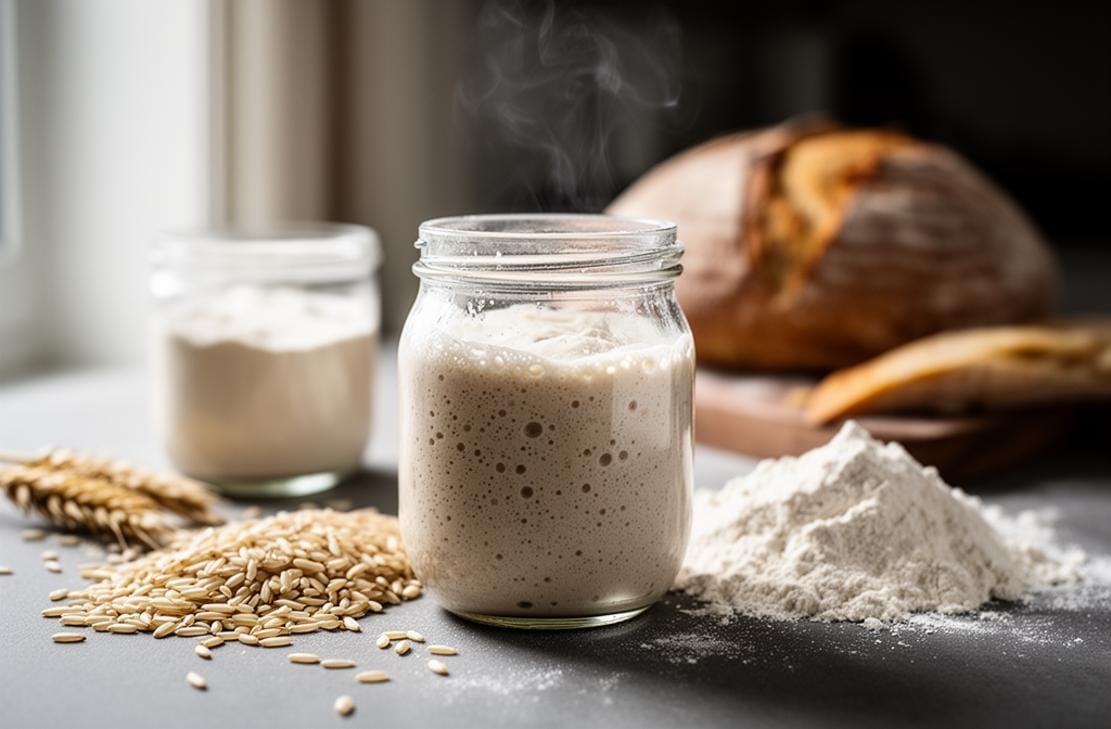
Creating a gluten-free sourdough starter is a rewarding journey that opens up a world of delicious, homemade bread possibilities. This guide will walk you through the process step-by-step, ensuring you have a robust and active starter ready for all your gluten-free baking needs.
I remember the first time I tried making a gluten-free sourdough starter. It was a bit of a challenge, but the satisfaction of seeing those bubbles form and knowing I had created something alive and full of potential was unmatched. Now, I can’t wait to share this experience with you!
Get ready to embark on a culinary adventure that will transform your gluten-free baking. Let’s dive into the world of sourdough and create something truly special.
What to Expect
- Time: Approximately 7 days
- Difficulty: Moderate
Before You Begin
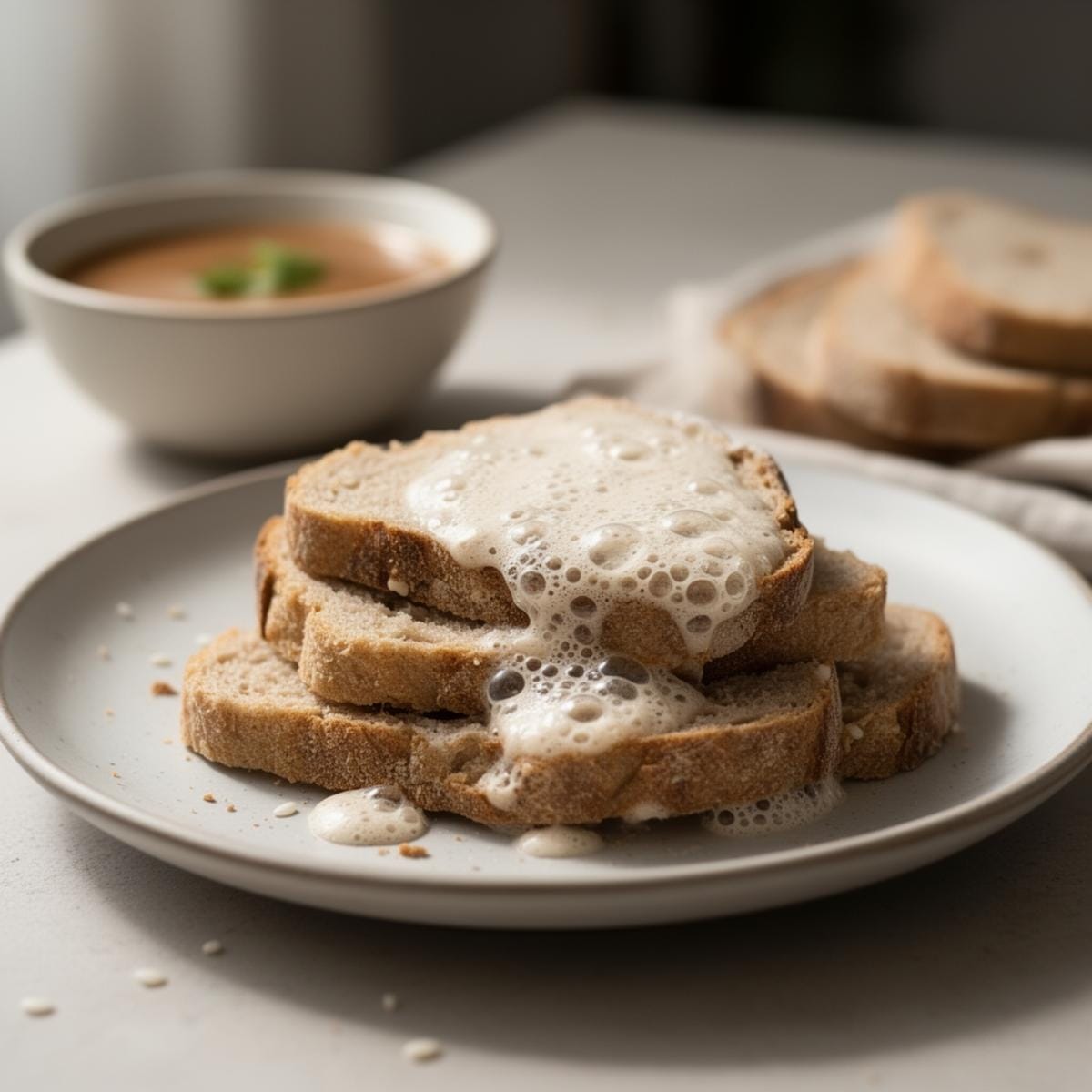
Before you start, make sure you have all your ingredients ready and a clean workspace. Using filtered water is crucial as it helps to avoid any contaminants that might hinder the growth of your starter. Also, ensure your flour is fresh and free from any moisture.
Ingredients You’ll Need
| ▢Flour, buckwheat, teff, millet, rice, or sorghum. You may even be able to use a gluten free one-to-one flour blend. |
| ▢Filtered water |
Step-by-Step Guide
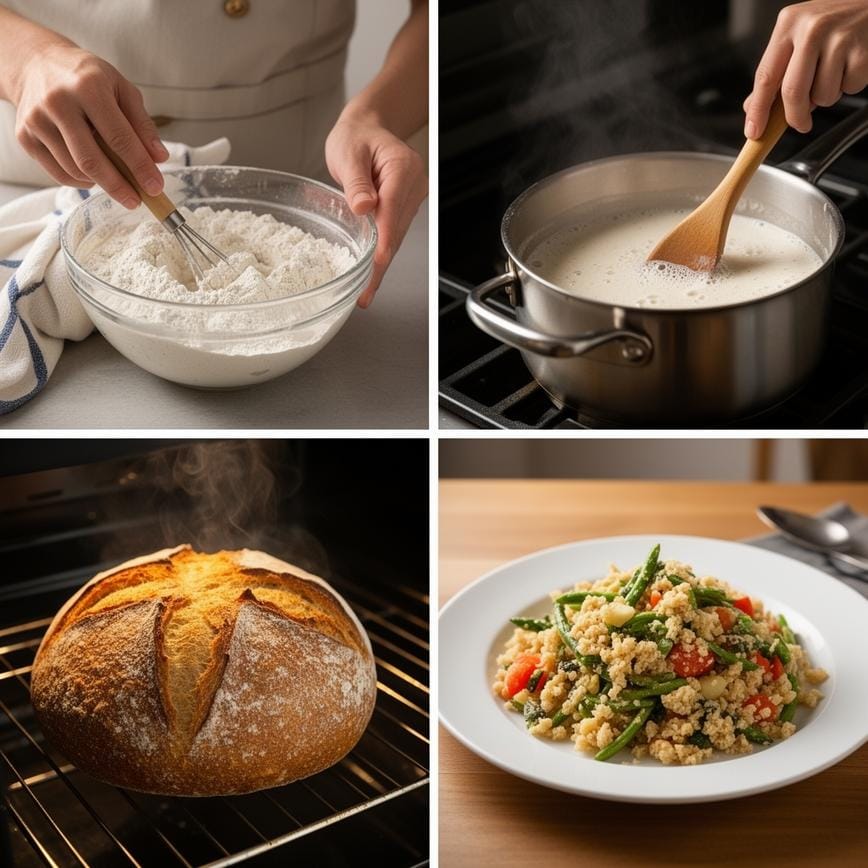
- Day 1: Mix Flour And Water Together
Mix 1/4 cup flour and 1/4 cup filtered water. Stir vigorously, scraping down the sides and incorporating everything. Place a clean tea towel over the bowl and set aside for 24 hours.
- Day 2: Discard Some Starter And Feed
Discard half of the mixture. Add 1/4 cup gluten free flour, 1/4 cup water, stir vigorously, and cover. Set aside for 24 hours.
- Day 3, 4, & 5: Discard Some Starter And Feed
Repeat the day two instructions for days 3-5. Cover and set aside for 24 hours.
- Day 6 & 7: Feed Every 12 Hours
On days six and seven, do the same discarding and feeding as the other days, but feed it every 12 hours instead of every 24. By day seven, your starter should contain enough wild yeast and beneficial bacteria to be able to bake with.
- Day 1: Mix Flour And Water Together
Pointers for Perfection & How to Store
It may take a little longer for your gluten-free sourdough starter to take off and really start to get bubbly, especially if you use buckwheat. It is best to use filtered water when feeding and maintaining your starter. Once your starter is active, you can store it in the refrigerator and feed it once a week to keep it alive and ready for your next baking adventure.
For more delicious ideas, check out this Gluten Free Quinoa Flatbread Recipe.
Print
Gluten-Free Sourdough Starter Recipe
- Total Time: 10080
- Yield: 1 cup starter 1x
- Diet: Gluten Free
Description
This Gluten-Free Sourdough Starter recipe is your gateway to baking artisan bread at home. By fermenting simple brown rice flour and water over 7 days, you will create a bubbly, living culture of wild yeast. This starter is robust, naturally gluten-free, and adds that signature tangy flavor and rise to all your favorite baked goods.
Ingredients
— The Essentials —
1 bag (approx. 24 oz) superfine brown rice flour (Arrowhead Mills or Anthony’s works well)
Filtered water (chlorine-free is best for fermentation)
— Equipment —
1 wide-mouth glass jar (quart size is ideal)
A digital kitchen scale (highly recommended for accuracy)
Plastic wrap or a loose-fitting lid
A rubber band (to mark growth)
Instructions
1. Day 1 (The Beginning): In your clean glass jar, mix 50g (approx. ⅓ cup) of brown rice flour and 50g (¼ cup) of filtered water. Stir vigorously to incorporate air. Cover loosely with plastic wrap or a lid (do not screw it tight; gases need to escape). Let sit at room temperature for 24 hours.
2. Day 2 (No Discard): You might see a bubble or two, or nothing at all—both are normal. Feed the starter by adding another 50g flour and 50g water. Stir well, cover, and let sit for another 24 hours.
3. Day 3 (Start Discarding): You may start to smell a funky or sour aroma. Stir the starter, then discard (remove) half of the mixture (about ½ cup). Feed the remaining starter with 50g flour and 50g water. Stir, cover, and rest for 24 hours.
4. Day 4 (Activity Increases): You should start seeing more bubbles and a pleasant sour smell. Discard half of the starter again. Feed with 50g flour and 50g water. Mark the level with a rubber band to track the rise.
5. Days 5-6 (Strengthening): Repeat the process: Discard half, feed 50g flour and 50g water. By now, the starter should be rising noticeably (growing past your rubber band mark) within hours of feeding.
6. Day 7 (Ready to Bake): If your starter doubles in size within 4–6 hours of feeding and smells yeasty/sweetly sour (not like nail polish remover), it is ready! Give it one last feed 4 hours before you plan to bake.
7. Maintenance: Once established, store your starter in the fridge. Feed it once a week: take it out, let it warm up, discard half, feed (50g flour/50g water), let it become bubbly (about 2-4 hours), then return to the fridge.
Notes
Flour Choice: Brown rice flour is the gold standard for GF starters because it ferments easily. Sorghum flour or buckwheat flour can also be used, but the hydration (water amount) may need adjusting.
Water Tip: If your tap water smells strongly of chlorine, boil it and let it cool, or leave it sitting out in an open jug overnight to let the chlorine evaporate. Chlorine can kill the wild yeast.
The ‘Ugly’ Phase: Around Day 3 or 4, the starter might smell like bad cheese or feet. This is the bacteria fighting for dominance. Keep feeding it! The good yeast will win, and the smell will turn pleasant.
Hooch: If you see a layer of grey liquid on top, it’s called ‘hooch’. It means your starter is hungry. Pour it off or stir it in, then feed immediately.
- Prep Time: 10
- Category: Basic
- Method: Fermentation
- Cuisine: Global
Nutrition
- Serving Size: 1 tablespoon
- Calories: 30
- Sugar: 0
- Sodium: 0
- Fat: 0
- Saturated Fat: 0
- Unsaturated Fat: 0
- Trans Fat: 0
- Carbohydrates: 7
- Fiber: 0
- Protein: 1
- Cholesterol: 0
Your Burning Questions Answered!
- How do I know if my gluten-free sourdough starter is ready?
- Your starter should be bubbly and have a slightly tangy smell. It should also double in size within a few hours of feeding.
- Can I use tap water for my starter?
- It’s best to use filtered water to avoid any contaminants that might hinder the growth of your starter.
What if my starter isn’t bubbling?
Be patient. It can take a bit longer for gluten-free starters to become active. Ensure you’re using fresh flour and filtered water, and keep feeding it regularly.
Dig In & Enjoy!
Creating a gluten-free sourdough starter is a journey worth taking. With patience and care, you’ll have a robust starter ready to elevate your gluten-free baking to new heights. Enjoy the process and the delicious results!
For more delicious ideas, follow me on Pinterest.